Raised between the vines
David Salazar grew up in the vineyards of southern Monterey County, the son of immigrants who worked the land that built California wine. The vines were home. The work was everything.
Napa County Times

Shaped by their hands, invisible to history
David watched the same crews show up season after season, shaping the quality of what ended up in the bottle. But when the awards came and the tasting rooms opened, those names weren't acknowledged.
Paso Robles Wineries

Crossing hemispheres to master the craft
David studied viticulture and enology at Fresno State, then refined his craft across California and in New Zealand. The further he went, the clearer the gap became.
Forbes

The wine was always ours
Reclamación means reclamation. Taking back what was always ours. A Mexican-American name on the label, not just in the vineyard.
Less than 1% of U.S. wine brands are Hispanic-owned.
Uncorked and Cultured

This is bigger than one bottle
California produces 80% of all U.S. wine. When Latinx workers are locked out of ownership here, they're locked out of the center of the American wine economy.
Wine Institute



Buying Reclamación isn't charity. It's choosing whose story gets told.
The people who built California wine deserve to be seen as more than labor. Immigrants have worked the vineyards, harvested the fruit, and helped build the legacy of wine in this state for generations. Yet when it comes to ownership and recognition, they are still largely left out.
And right now, many of those same families are under threat. Every purchase is a vote for a different story.
David puts that belief into action beyond the bottle. Most recently, he partnered with Rizos Curls and Kids of Immigrants to raise funds for farmworkers and families impacted by ICE raids across California.

Every varietal has a reason rooted in place
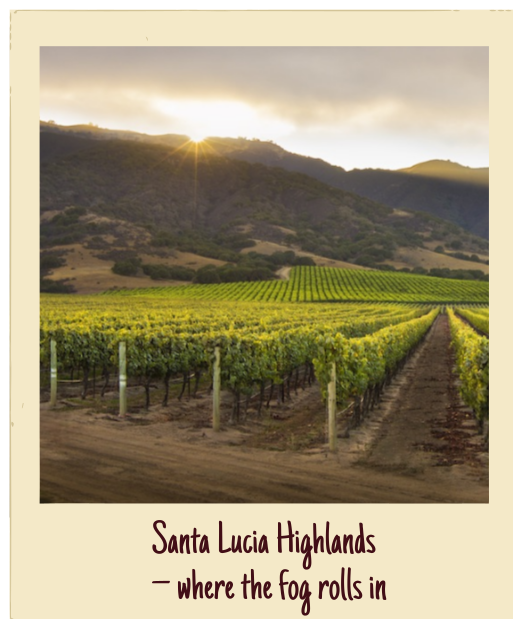
David grew up in southern Monterey County, on the edge of the Santa Lucia Highlands, shaped by marine fog, diurnal temperature swings, and rocky soils that force vines to work. That environment produces grapes with concentration and restraint in the same glass.
The selections aren't chasing trends. They're chosen to express California's land honestly — by someone who grew up working it.
Be part of the change.
Reclaim your glass.
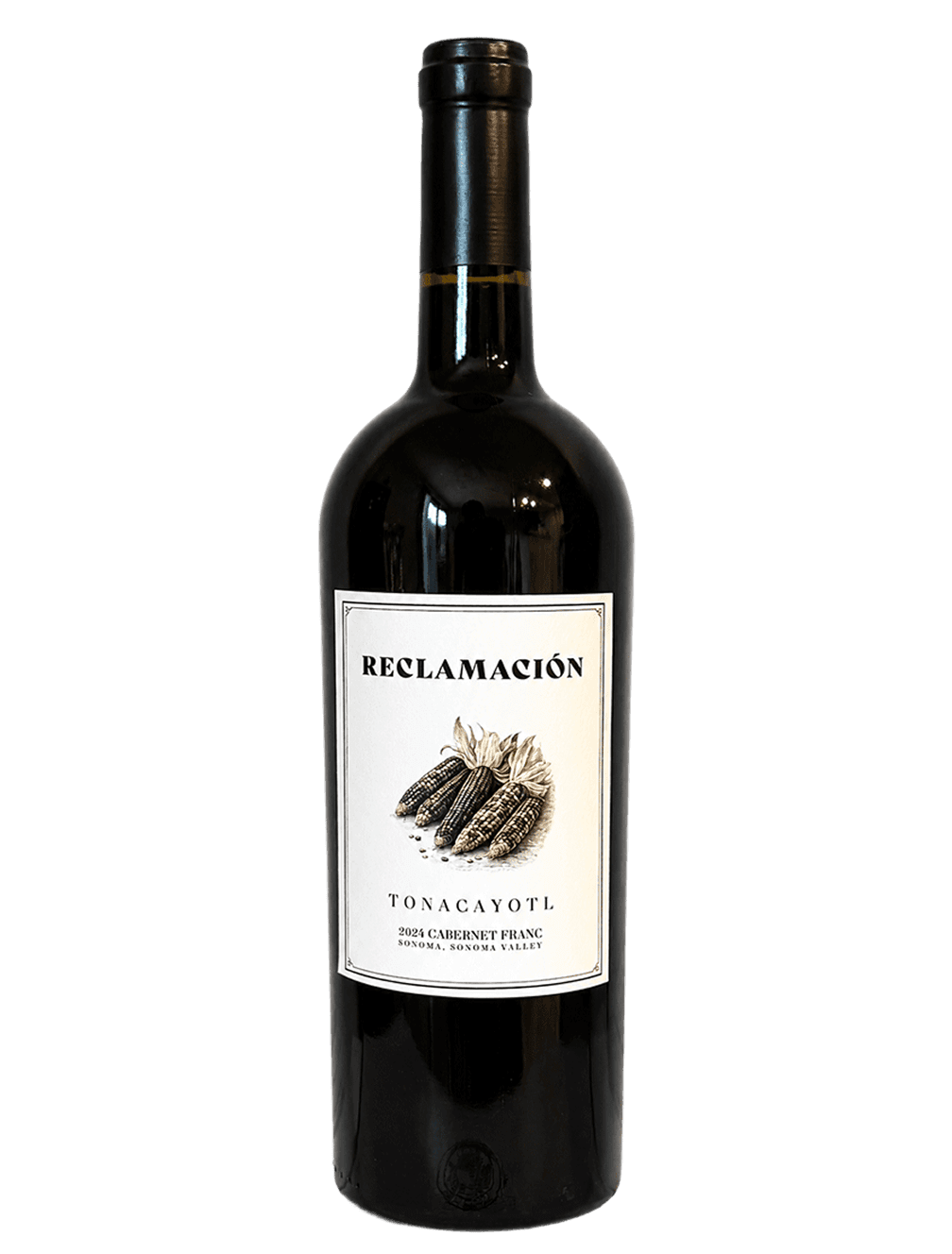

2024 Cabernet Franc
Reds
$55
Add to cart
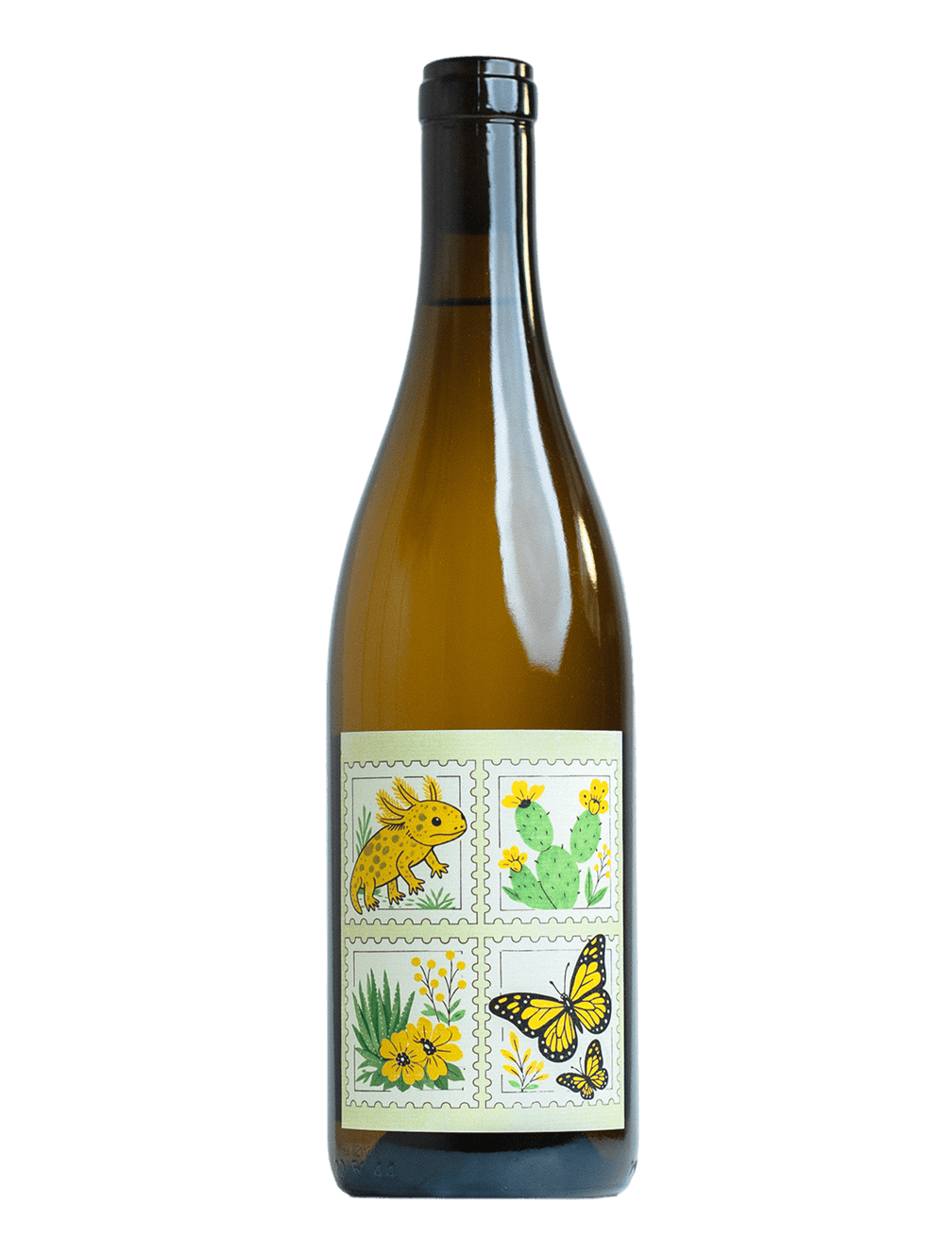
2025 Grenache Gris
Whites
$35
Add to cart
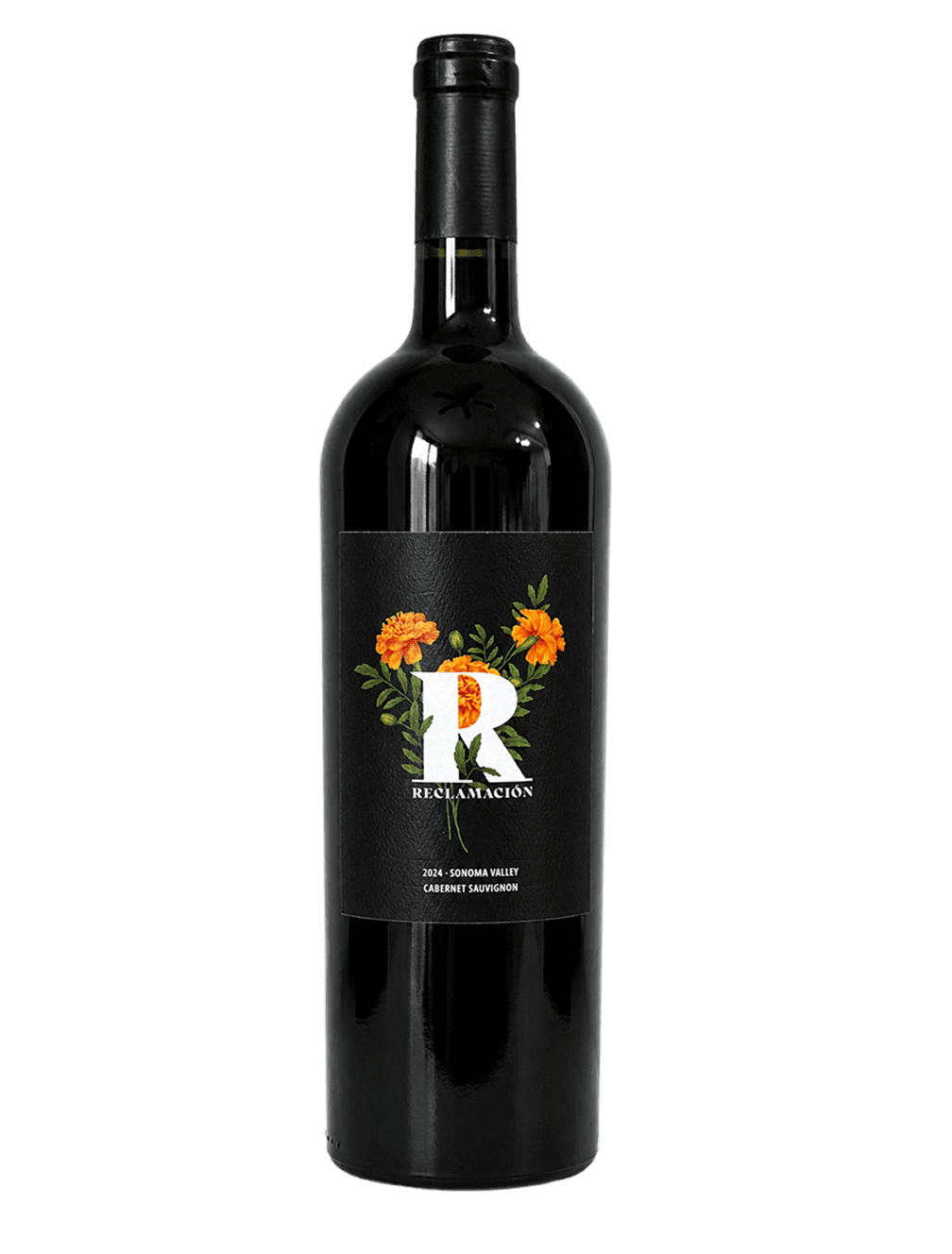
2024 Cabernet Sauvignon
Reds
$50
Add to cart